WO·MAN
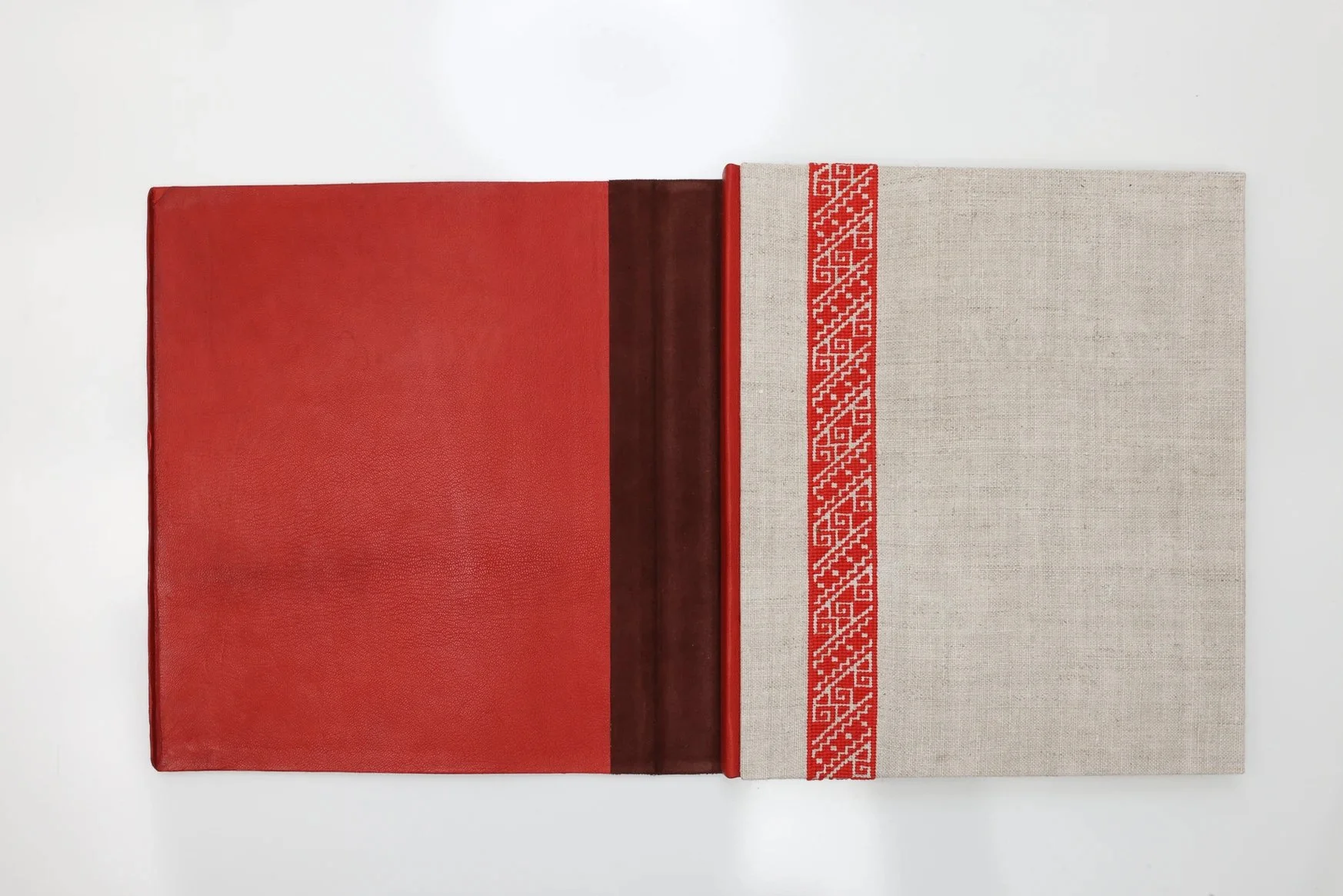
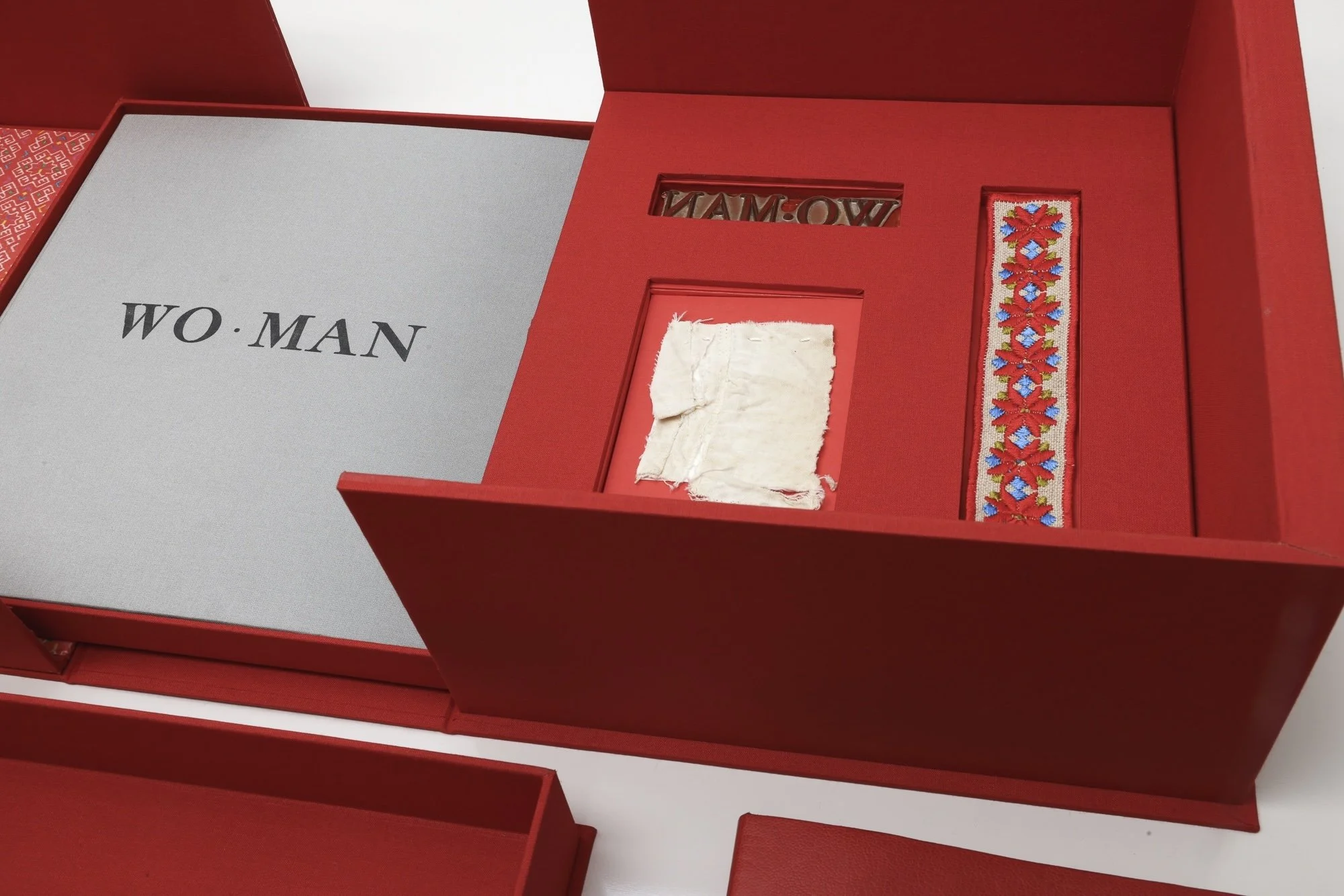
Artist Book (Limited Edition) + Boxed Multi-Part Work
Conceived as a performative object and intended for long-term institutional stewardship.
2025
Positioning
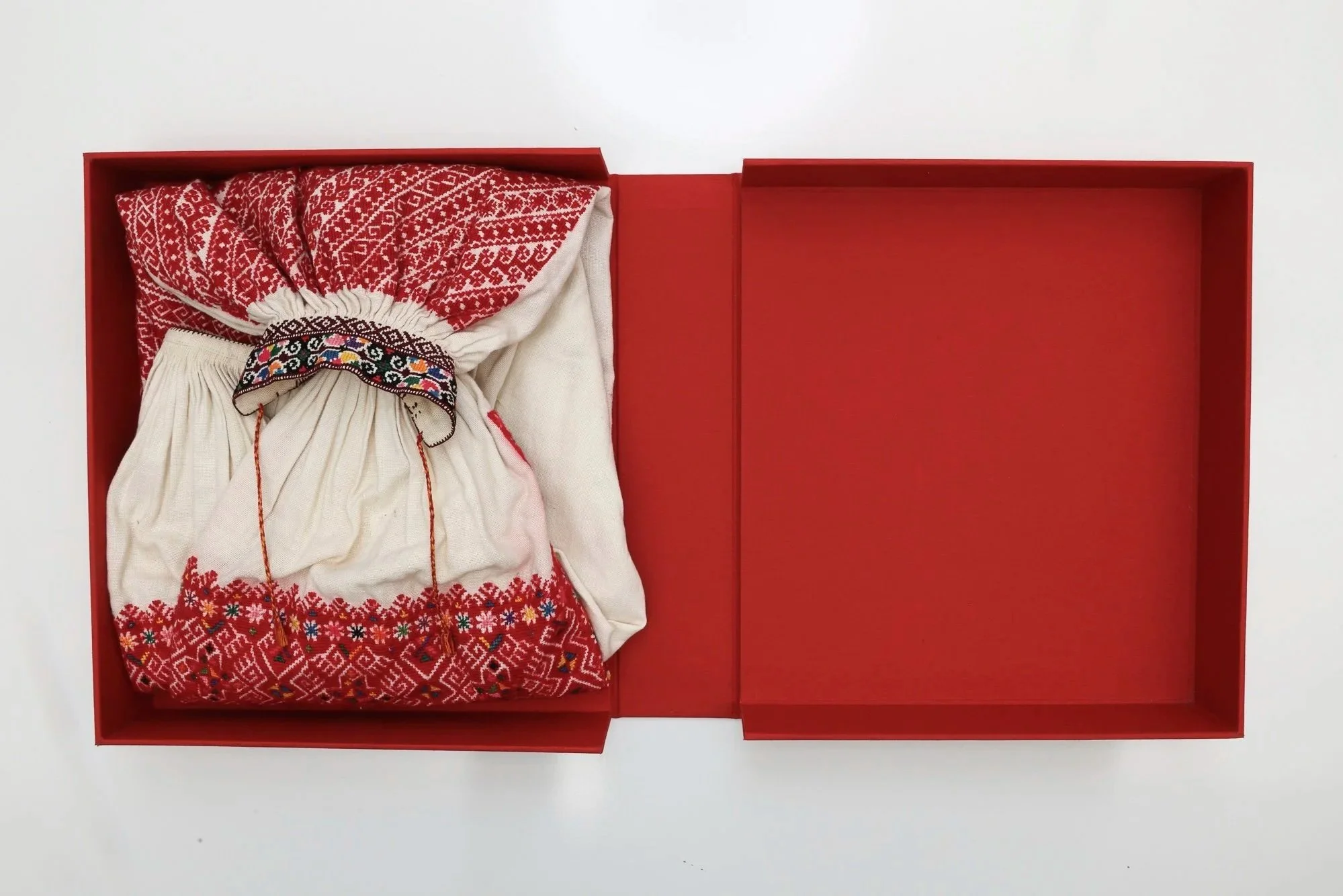
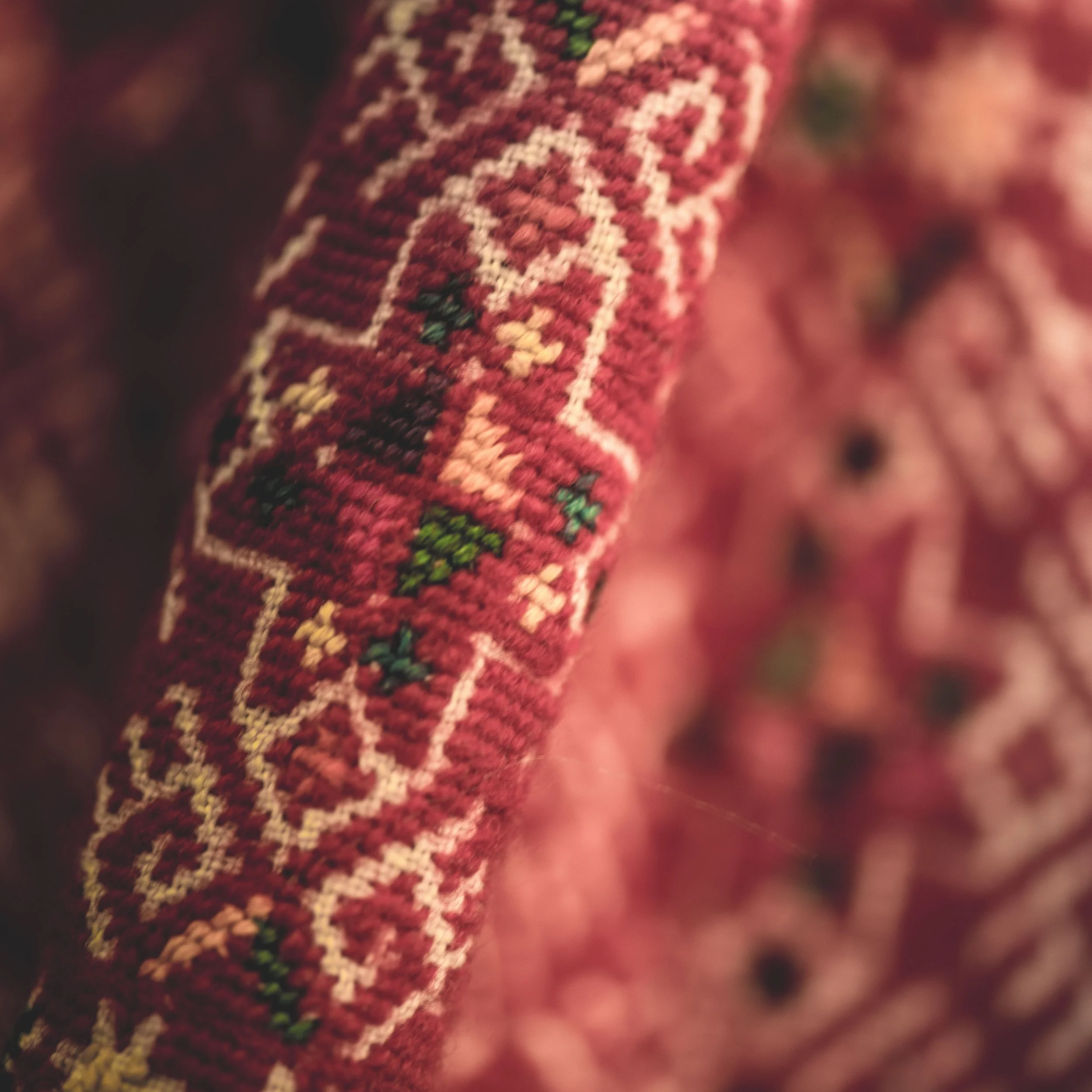
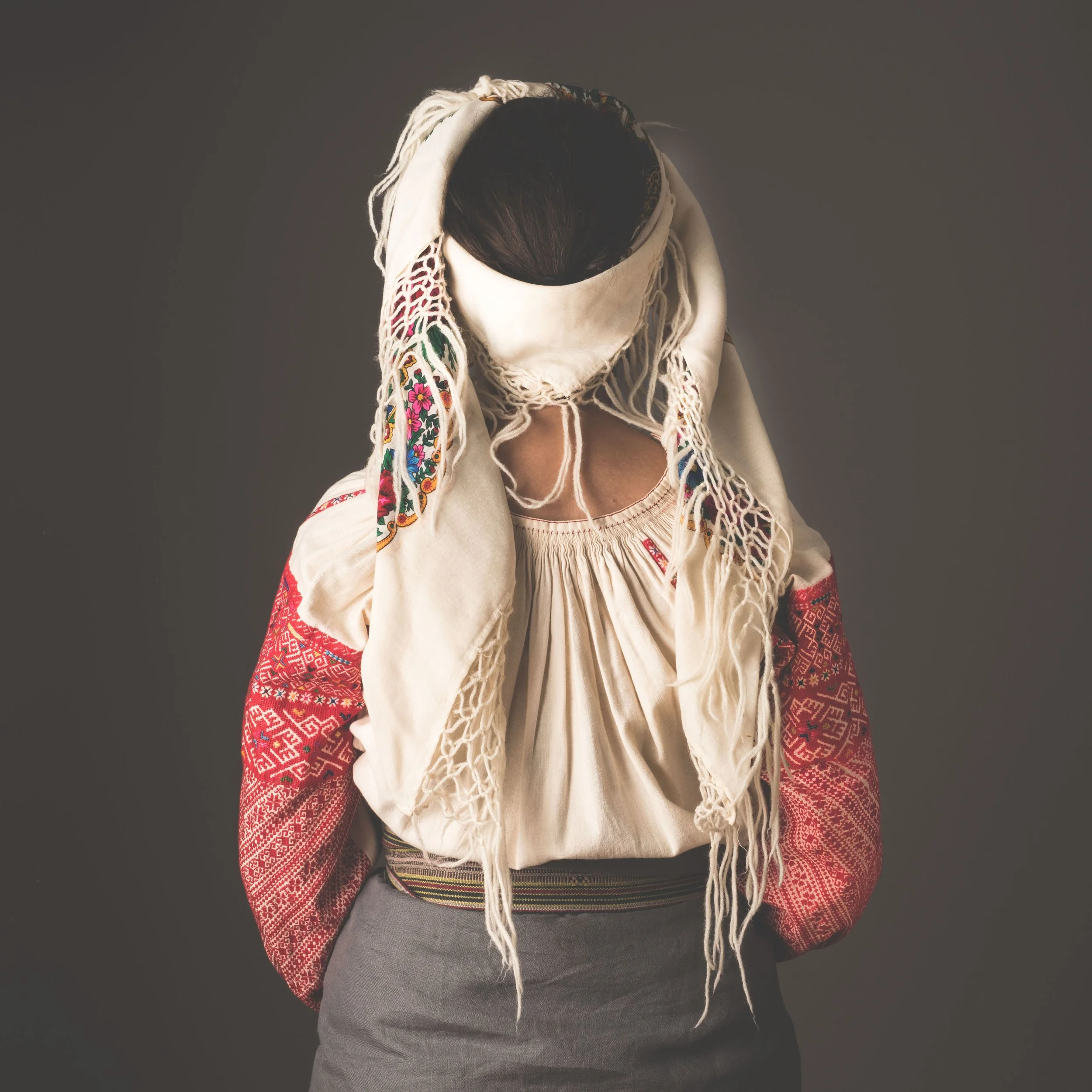
WO·MAN is an artist book grounded in the material legacy of a single artifact: a vyshyvanka, an embroidered blouse gifted to Lesia Maruschak by her great-aunt Hanya during a precarious visit to Soviet Ukraine. Treated as manuscript, evidence, and cultural repository, the garment is approached through close photographic examinations of seams, frayed edges, and interior structures. The work asks how women’s labour, inheritance, and survival are carried forward through cloth, and what becomes legible when an object long held in darkness is unfolded again.
Gifted to Maruschak in 1979 and passed directly from a wedding chest into her hands, the blouse carries an intimate, unbroken provenance. Its stitches, wear, and lingering scent embody generations of women who endured surveillance, migration, and cultural erasure. Preserved for decades in darkness, the garment—when unfolded again—activates a lineage long held in silence.
How the Book Performs
WO·MAN activates meaning through material encounter rather than narration. Sequencing, pacing, and restraint structure the reader’s movement through the volume, foregrounding proximity as a condition of knowing. The book advances a mode of looking in which touch, wear, and accumulated gesture operate as primary carriers of testimony.
The codex format is essential to the work’s meaning. Bound, finite, and handled in time, the book insists on duration and attention, distinguishing itself from exhibition-based and screen-mediated encounters.
Structure & Form
WO·MAN unfolds as a sustained photographic sequence centered on the embodied presence of a single garment. Details of stitching, mended areas, wear patterns, and interior construction appear as discrete visual encounters, allowing the blouse to be read simultaneously as object and text.
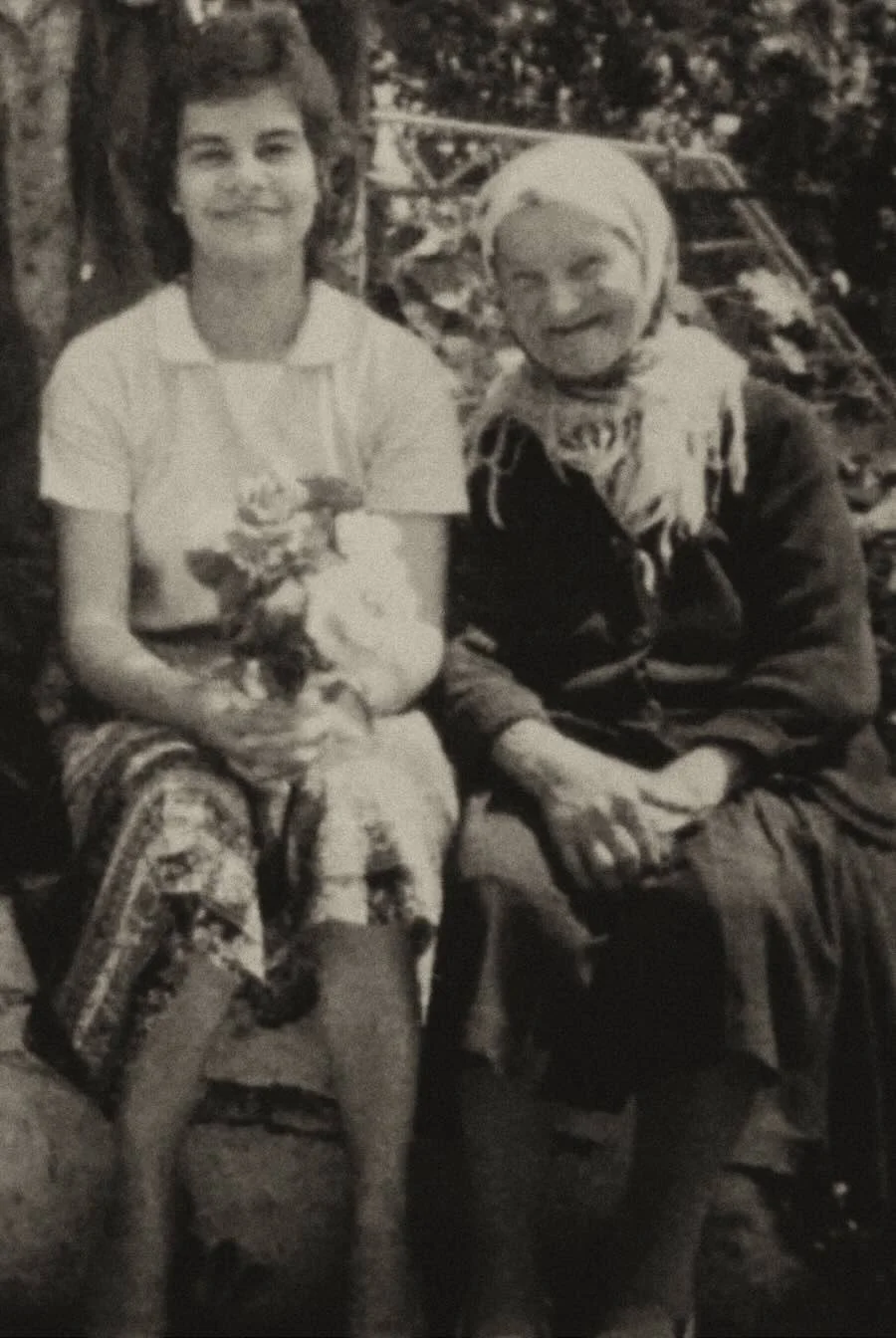
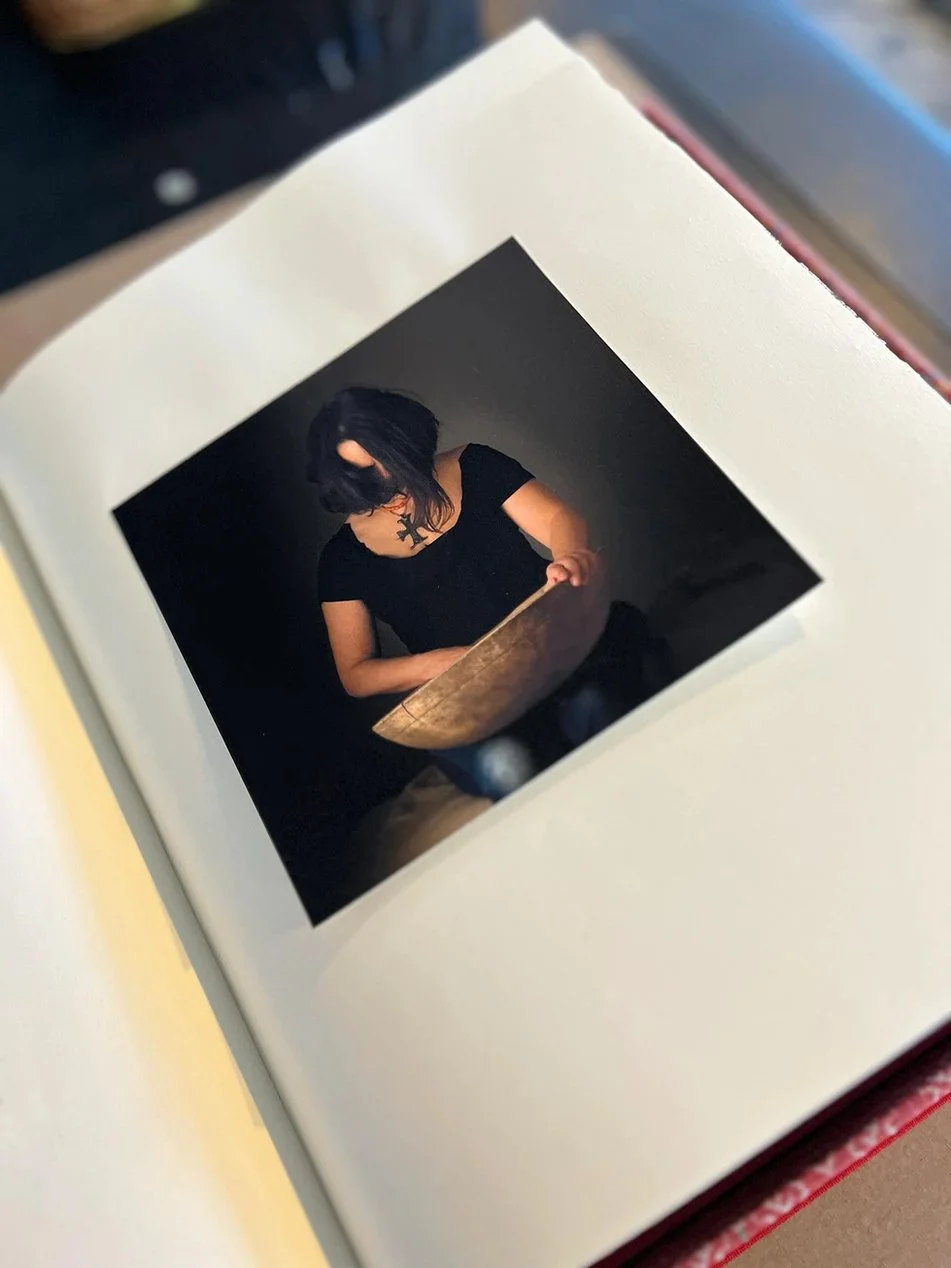
The sequence incorporates bound pages and a small set of loose elements, allowing different forms of evidence to move between containment and exposure. Alongside the photographic studies of the garment, the book contains loose photographic prints depicting Maruschak with her great-aunt Hanya in Ukraine at the moment the blouse was given. These prints function as primary objects within the work, extending the garment’s provenance into a second register of material evidence.
Narrative Presence
WO·MAN is voiced through proximity rather than narration. The garment functions as witness: a carrier of touch, scent, wear, and the accumulated gestures of women across generations. Meaning emerges through sustained looking at the physical record embedded in cloth.
The work holds tension between private inheritance and collective history, allowing the blouse to be encountered not as costume or ornament, but as lived archive.
Editions
Variant Edition
Extraordinary Edition
All editions issued with colophon and documentation for long-term institutional stewardship.
Materials & Production
Material decisions privilege tactility, durability, and historical resonance. Photographic processes and archival papers are selected to support long-term preservation, while binding and structural choices emphasize the book’s function as a vessel of memory.
The presence of textile—both as subject and conceptual anchor—foregrounds women’s labour as a carrier of cultural knowledge. Material provenance operates not as embellishment, but as content.
Loose photographic prints depicting Maruschak with her great-aunt Hanya in Ukraine are produced as discrete archival objects, distinct from the bound sequence yet structurally integral to the work.
The work incorporates embroidered elements produced in collaboration with master embroiderers in Ukraine.
Relationship to Larger Practice
WO·MAN extends a material inquiry that began with Maruschak’s first artist book (2016), where women’s labour—its repetitions, endurance, and inherited knowledge—formed a central concern.
From the outset, her practice has unfolded through intertwined registers of image and poem, with language operating not as illustration but as parallel testimony. That inaugural work established a sustained engagement with material intelligence, artisanal process, and the preservation of cultural memory through the book form.
Across her oeuvre, textiles function as a form of democratic architecture, binding personal histories to collective experience. This trajectory culminates in TRANSLATIONS 19,546 (2026), an edition synthesizing decades of engagement with fibre, archive, and the lives of Ukraine’s missing children in a form conceived for institutional stewardship.
Held in Selected Institutional Collections
Library of Congress - Extraordinary Edition.
Colophon (PDF)
Publication details and production credits. Available soon.
Inquiries
For institutional inquiries regarding editions, availability, or documentation:
Lesia Maruschak
lesiamaruschak.com
Availability:
Distribution through Two Ponds Press.