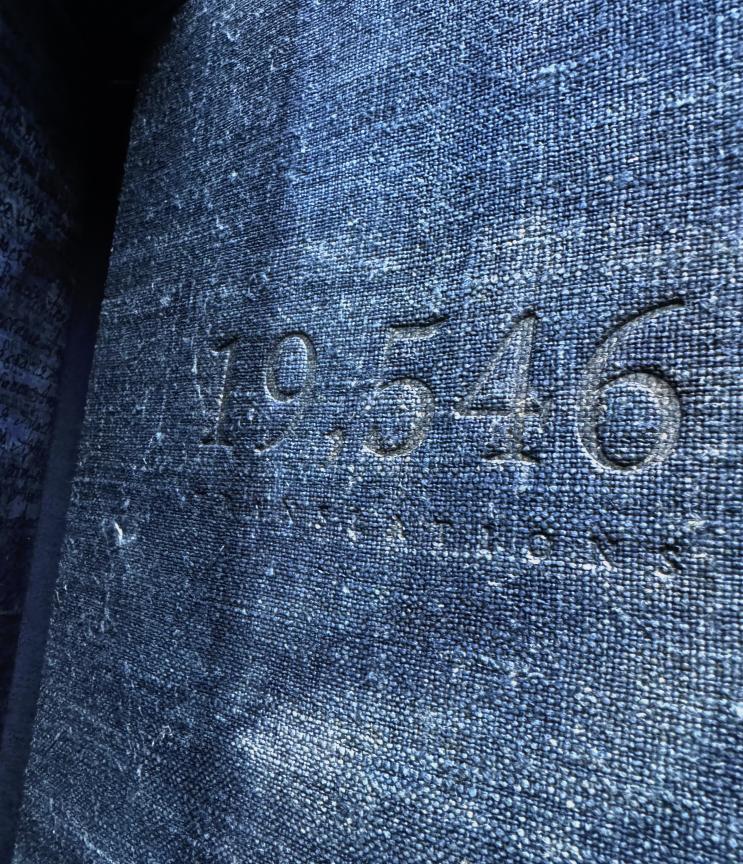
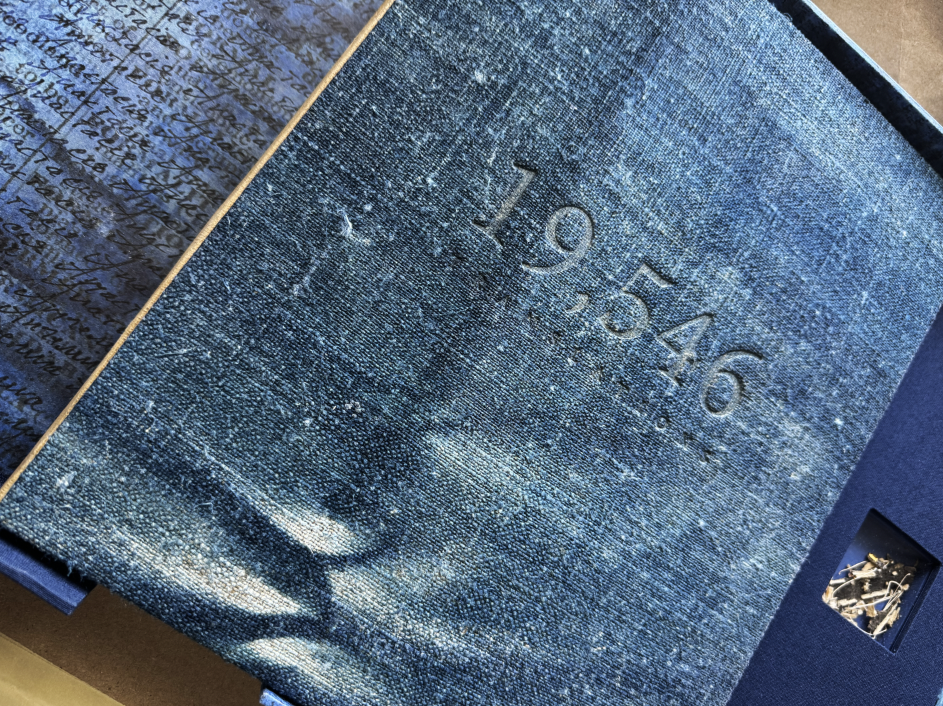
TRANSLATIONS 19,546
Artist Book (Limited Edition) + Boxed Multi-Part Work
Conceived as a performative object and intended for long-term institutional stewardship.
VYDNO Collective (Lesia Maruschak)
2026
Positioning
TRANSLATIONS 19,546 is a limited-edition artist book and boxed multi-part work addressing the forced deportation, disappearance, and ongoing trauma of Ukrainian children under Russia’s war against Ukraine, situated within a longer continuum of genocidal violence that includes the Holodomor famine-genocide of 1932–33. The project is anchored by thirteen testimonies drawn from publicly available recordings of Ukrainian children rescued from Russian captivity, used with permission from Ukraine’s Children of War organization. These testimonies are translated into poetic, typographic, and material form, positioning the child simultaneously as survivor, witness, and inheritor of memory across generations.
Conceived as a work for durational engagement and institutional stewardship, TRANSLATIONS 19,546 operates at the intersection of book arts, poetry, translation, and archival intervention.
How the Book Performs
TRANSLATIONS 19,546 activates memory through material encounter rather than illustration. Reading unfolds through physical engagement: turning pages, unfolding layers, unrolling a long scroll, encountering fragments that resist narrative completion. Language appears not as transparent transmission but as translation under pressure—shifted, condensed, mirrored, and destabilized. Meaning emerges through accumulation, interruption, and recurrence rather than linear progression.
The book stages a sustained oscillation between individual testimony and incomprehensible scale. The reader is held between specific voices and the vastness of loss.
Structure & Form
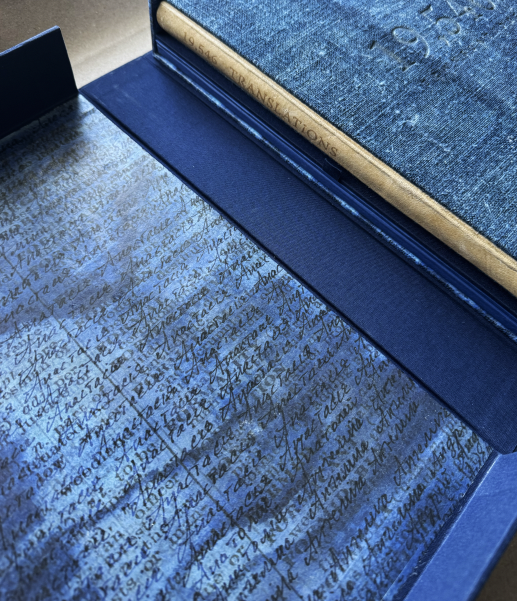
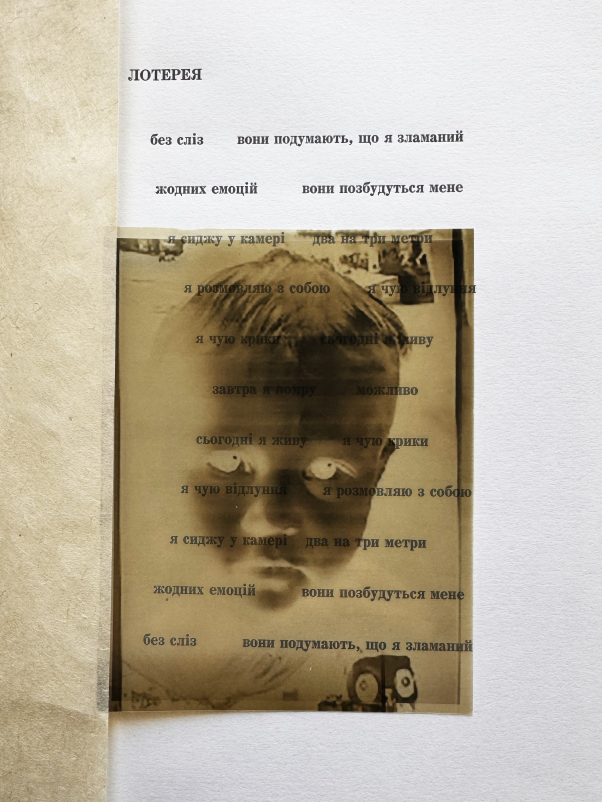
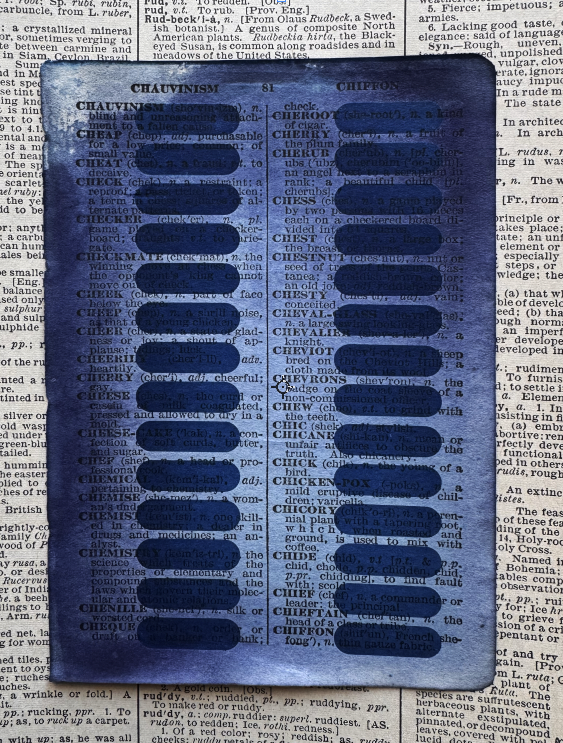
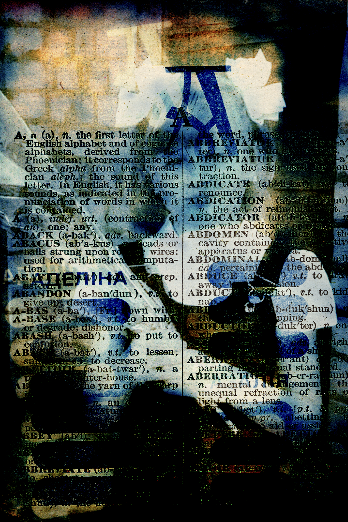
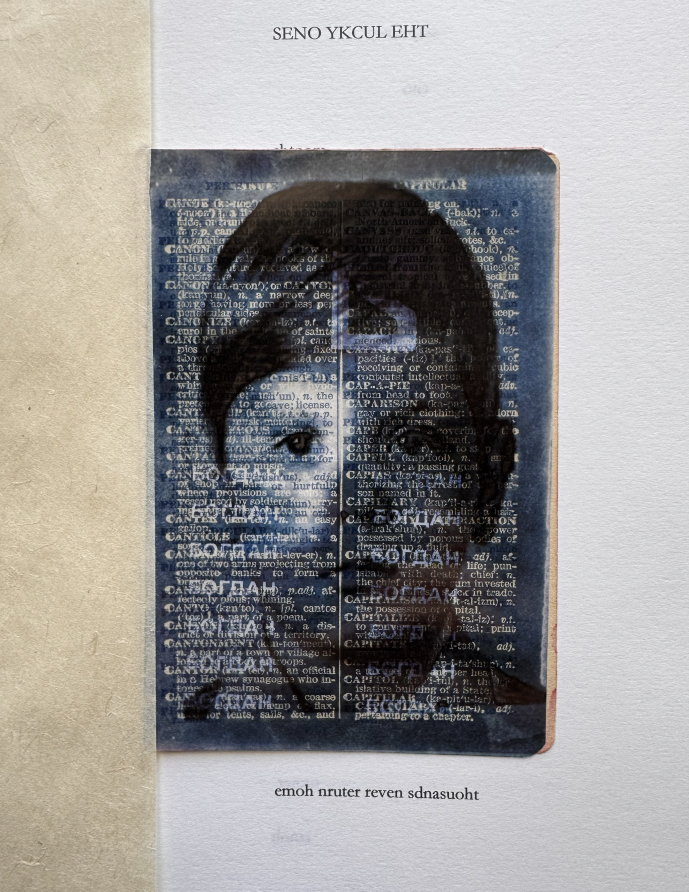
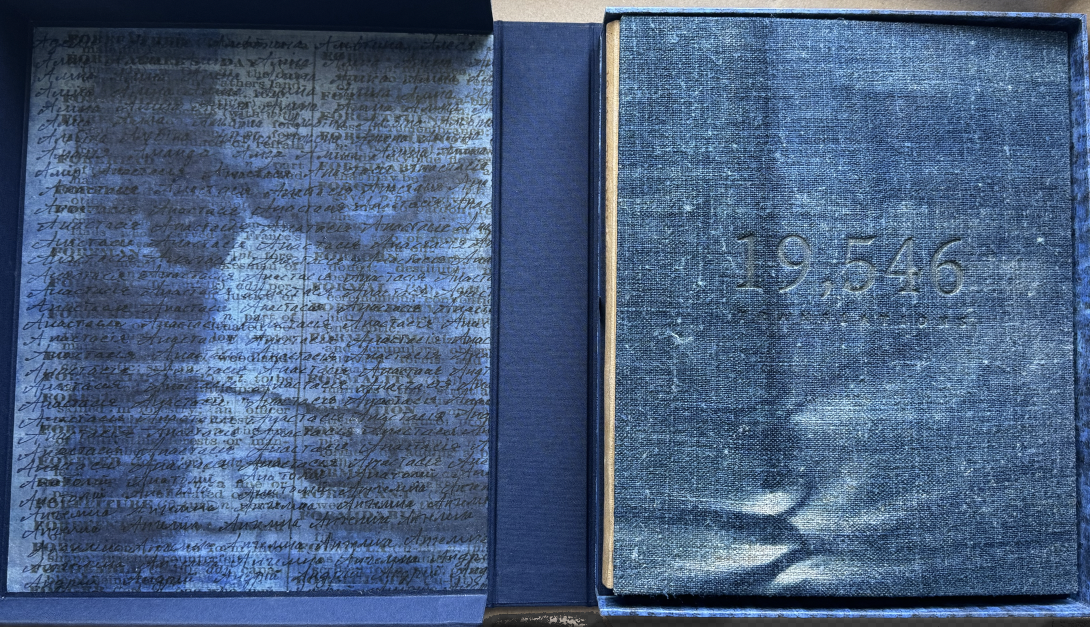
The work is structured around a bound artist book accompanied by multiple discrete components housed within a conservation-grade box. Within the book, English-language poems derived from children’s testimonies are paired with Ukrainian-language counterparts and typographic translations. Palimpsest pages combine poetry, image fragments, cyanotype overlays, and translucent layers, producing surfaces that hover between legibility and erasure.
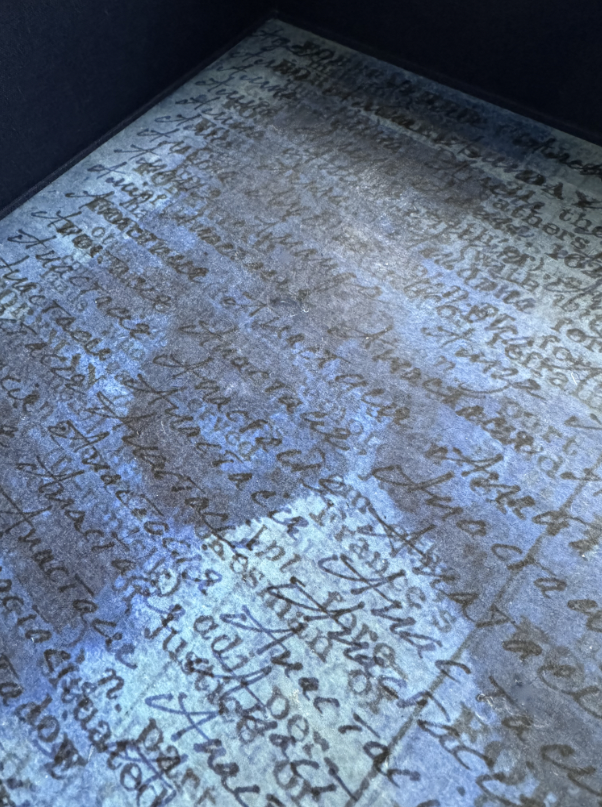
In the Extraordinary Edition a fifty-foot scroll, listing the names of all 19,546 missing Ukrainian children, functions as an independent yet conceptually central element. Its scale exceeds the bound volume, insisting on bodily movement and duration. The structure moves between containment and excess, enclosure and overflow.
Narrative Presence
TRANSLATIONS 19,546 does not construct narrative through plot or biography. Instead, it operates through testimonial fragments and accumulative resonance. The children’s words remain the primary authority of the work; artistic intervention does not interpret testimony but translates its presence across linguistic, typographic, and material registers.
The project resists resolution. Absence, rupture, and partiality are retained as structural conditions.
Editions & Rarity
Edition of 22 copies, including 3 Artist Proofs (AP). Each copy contains hand-worked and variable elements. Extraordinary Edition (EE) copies incorporate additional original 1932–33 Webster’s Pocket Self-Pronouncing Dictionary material.
Artist Proof to be presented at CODEX International Biennial Book Art Fair & Symposium (February 2026) and the Manhattan Rare Book & Fine Press Fair (May 2026).
Materials & Production
Material decisions privilege tactility, fragility, and historical resonance. Ukrainian-language poems are letterpress printed at Carleton University’s Book Arts Lab using Ruthenian type cast in lead by typographer Ed Rayher specifically for this project. English-language poems are pigment printed by the artist. Additional processes include cyanotype, collage, translucent film overlays, and light imprinting.
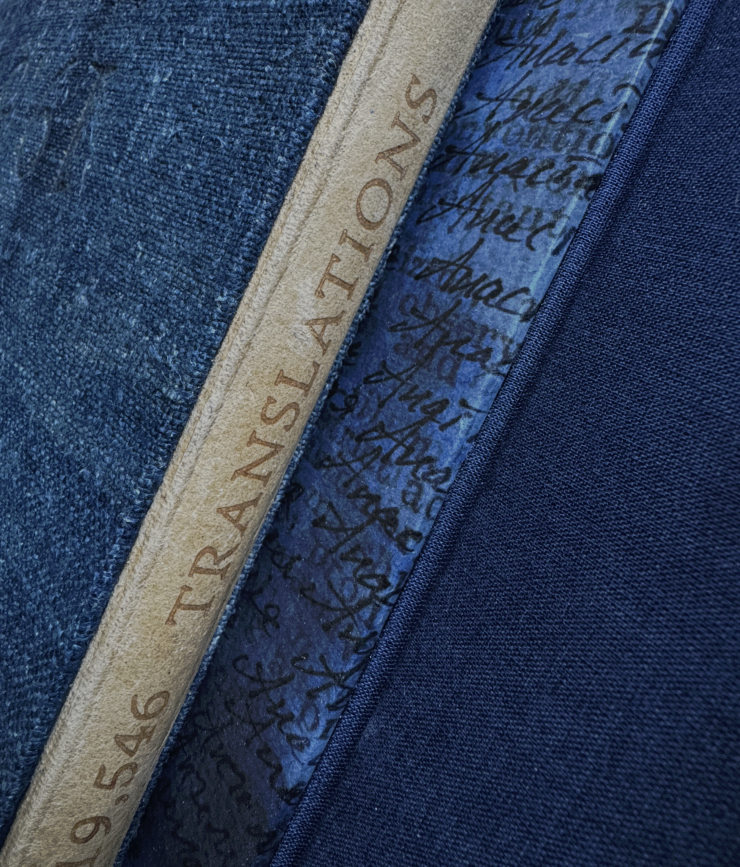
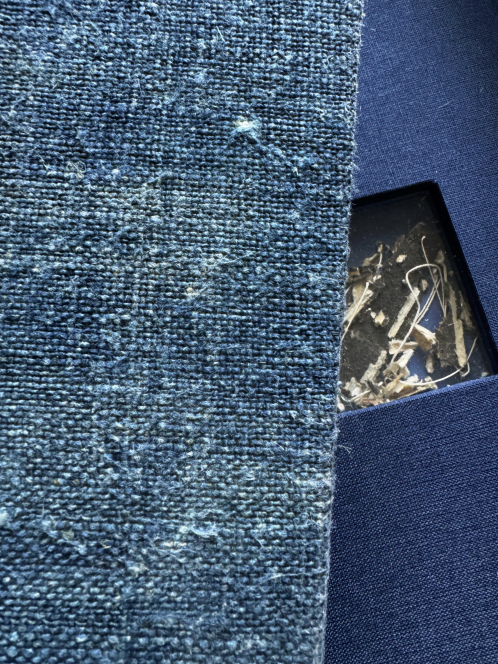
Material interventions incorporate deconstructed 1932–33 editions of Webster’s Pocket Self-Pronouncing Dictionary—years corresponding to the Holodomor famine-genocide, during which the word Holodomor does not appear in English dictionaries. Names of missing children are cyanotype imprinted onto these pages. Covers are wrapped in 100-year-old handwoven Ukrainian hemp cloth dyed with cyanotype solution and hand-embroidered with red thread, with antique rushnyky incorporated into the spine. All elements are hand-assembled.
Relationship to Larger Practice
TRANSLATIONS 19,546 extends Maruschak’s long-standing engagement with testimony, historical rupture, and the ethics of representation, visible across earlier projects addressing the Holodomor, internment of Ukrainians in Canada, and intergenerational transmission of trauma. Across her practice, the book functions as both container and active site of encounter, with language and image operating as parallel registers rather than illustration and explanation.
TRANSLATIONS 19,546 synthesizes decades of work with fibre, archive, photography, and poetry into a form conceived specifically for institutional stewardship.
Research Value & Performative Dimension
TRANSLATIONS 19,546 supports research and teaching in book arts, poetry and contemporary literature, translation studies, human rights and genocide studies, Ukrainian history, memory studies, and intersections of art and technology.
The work is intentionally performative. Pages must be turned. The scroll must be unrolled. Texts remain silent until spoken. Through activation, the object shifts from artifact to event.

Held in Selected Institutional Collections
Extraordinary Edition
Rare Books & Special Collections, Library of Congress, US
Green Library-Special Collections, Stanford University, Stanford, US
Colophon (PDF)
Publication details and production credits. Available soon.
Institutional Programming
Childless Essay
Oleksandra Matviichuk - 2026
English | Українська
Inquiries
For institutional inquiries regarding editions, availability, or documentation:
Lesia Maruschak
lesiamaruschak.com
Distribution through Two Ponds Press.
Sponsors
“Funded (in part) by the Shevchenko Foundation, the Franko Family Foundation and Terra Ercolano Ltd.